Struggling with your mental health or with addiction does not make you broken. It makes you human. These are not character flaws or signs of weakness — they are challenges that millions of people face, and they are challenges that no one should have to face alone. We are here, without judgment, without conditions, and without any expectation that you have it figured out before you walk through our door.
Mental health and addiction challenges touch virtually every family in Nunavut in some way. The territory carries the weight of historical trauma, geographic isolation, limited access to services, and the long shadow of colonial policies that disrupted culture, family structure, and identity across generations. These are not excuses or abstractions. They are the real context in which people are struggling, and any honest approach to healing has to acknowledge them.
At the same time, Nunavut’s communities carry extraordinary resilience. People here have survived things that would break most systems entirely. That resilience is real, it is worth honoring, and it is something we try to build on rather than overlook. Healing is possible. Recovery is possible. We have seen it, and we believe in it unreservedly.
There is no single path through addiction or mental health challenges. What works for one person may not work for another, and any program that pretends otherwise is not being honest about the complexity of human experience. Our approach is built around the individual in front of us, not around a predetermined process they are expected to fit into.
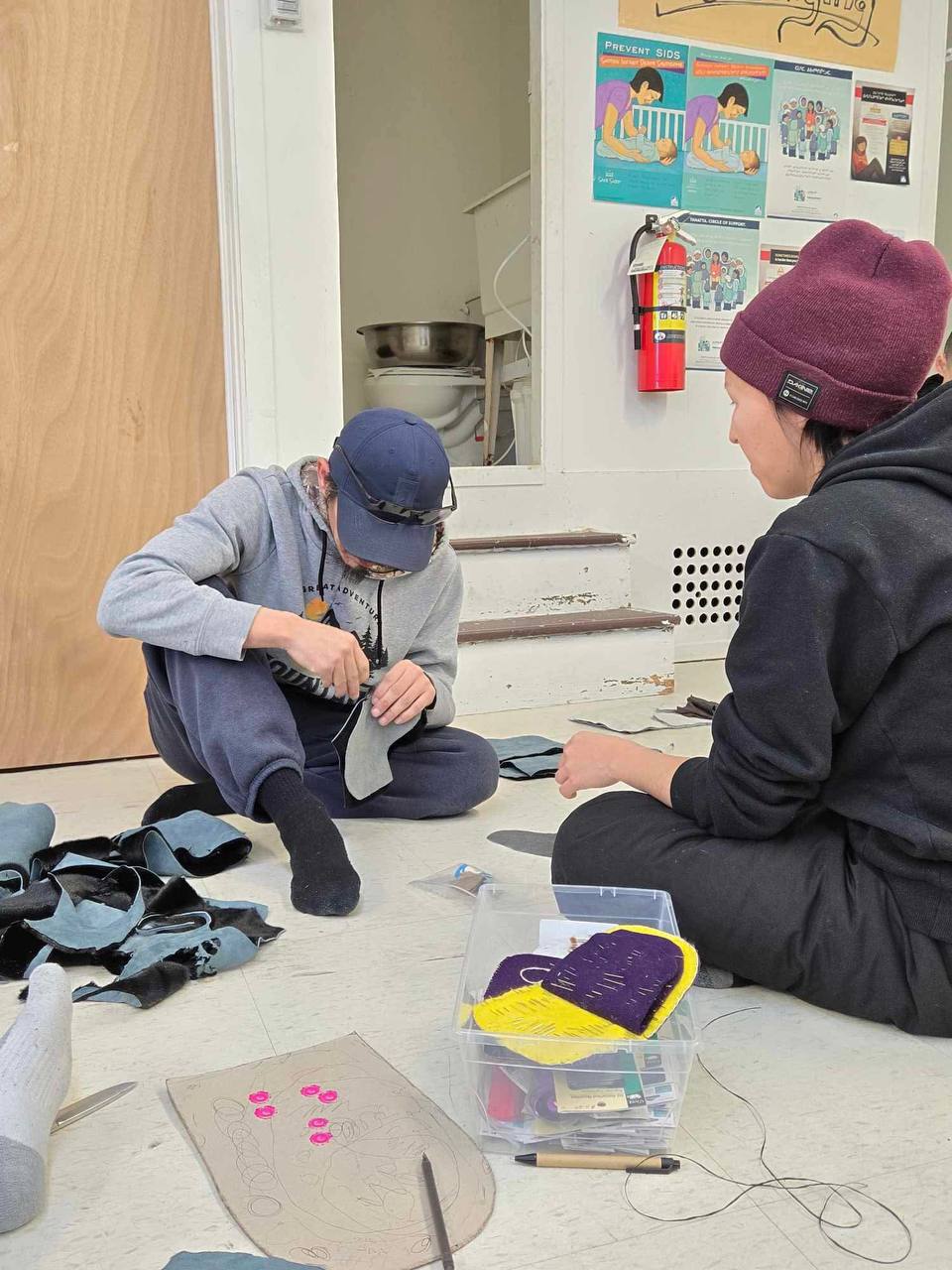
We also believe deeply that western clinical models of care, while valuable, are not sufficient on their own for many people in Nunavut. Healing that does not account for culture, identity, land, and community is incomplete. Our programs are designed to bring those elements together rather than treat them as separate tracks.
Talking to someone who genuinely listens is one of the most powerful things a person can experience when they are struggling. Our counseling services provide a consistent, confidential, and compassionate space for individuals to work through whatever they are carrying, at their own pace, in their own words.
We offer counseling support for a wide range of experiences including:
Counseling sessions are available one-on-one and are structured around what the individual needs rather than a fixed curriculum. Some people need to talk through something specific. Others need a steady, ongoing relationship they can return to over time. We are equipped to offer both.
Our counselors are trained, experienced, and committed to cultural humility. They understand the specific context of life in Nunavut and approach their work accordingly.
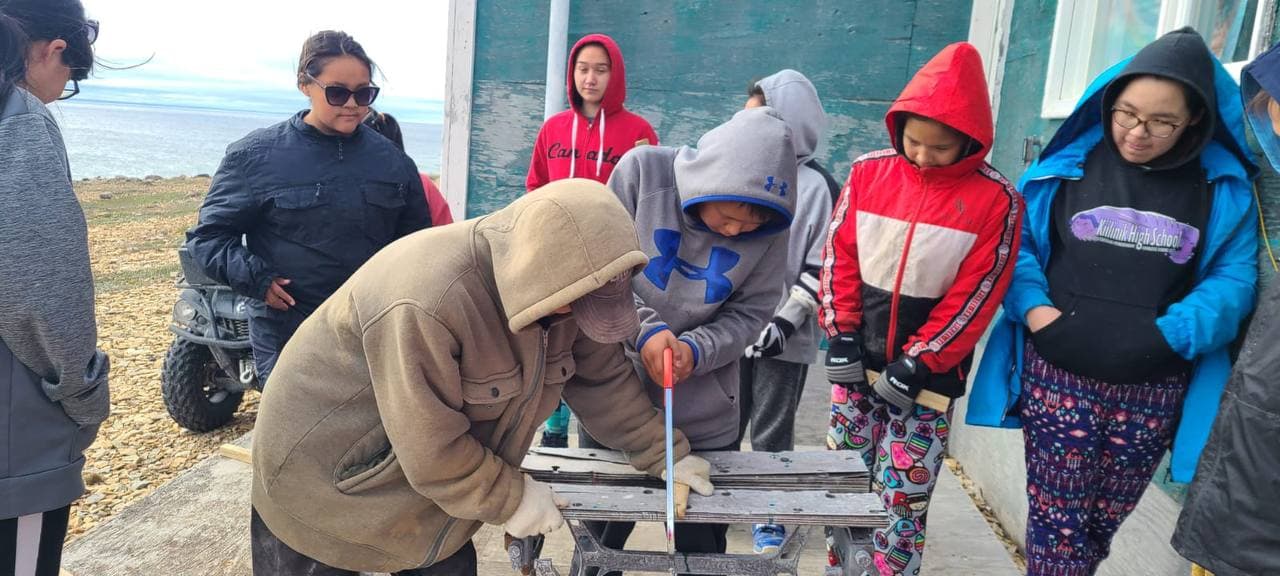
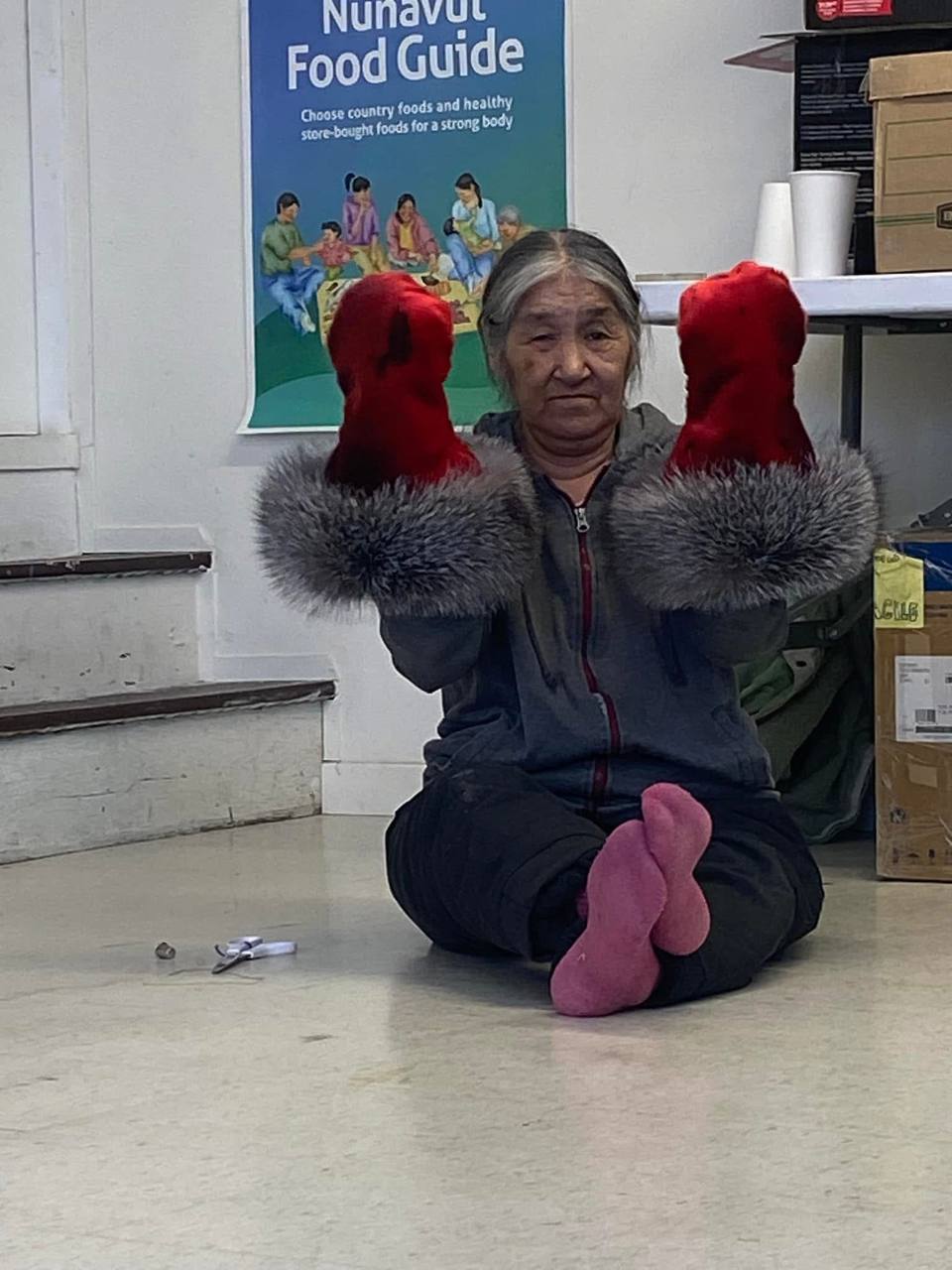
Inuit communities have always had their own ways of understanding and responding to suffering. Long before clinical frameworks existed, there were practices, relationships, and ways of being on the land that helped people restore balance and find their way through hardship. That knowledge did not disappear. It lives in communities, in elders, and in the land itself.
We integrate traditional healing practices into our programming because we believe they work and because we believe people deserve access to healing that feels like their own.
We work with community knowledge keepers with full respect for their expertise and with the understanding that this knowledge belongs to the community, not to us. Our role is to support and facilitate access, not to translate or interpret what isn’t ours to interpret.
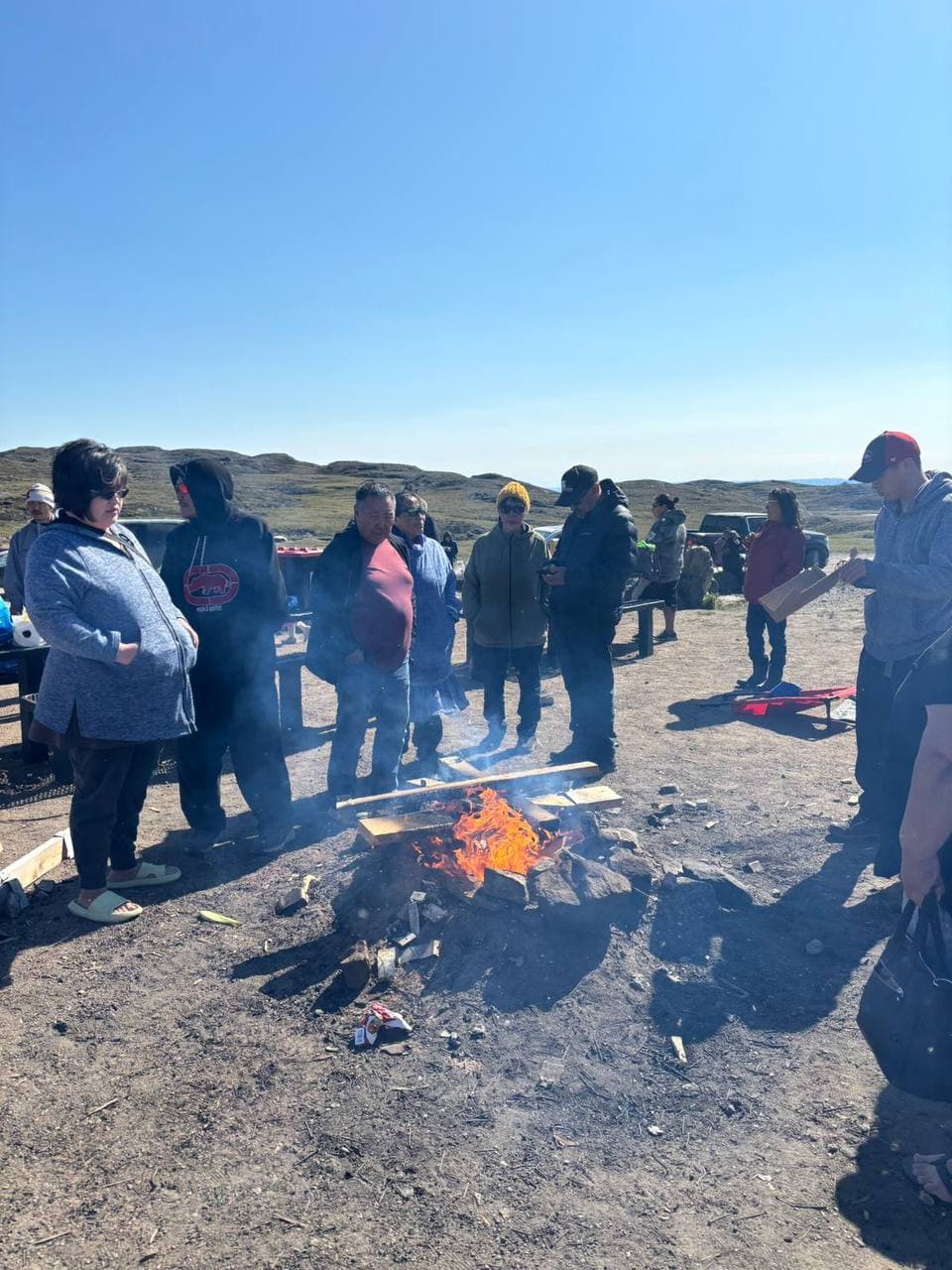
There is something that happens in a room full of people who truly understand what you are going through. The isolation that so often accompanies addiction and mental health struggles begins to lift. The shame loses some of its power. The sense that you are the only one starts to fade. That is what peer support does, and it is genuinely irreplaceable.
Our support groups create safe, consistent spaces for people to share their experiences, support each other, and build the kind of connections that extend beyond the group itself.
Peer mentorship takes this a step further by pairing individuals with someone who has navigated similar challenges and come out the other side with hard-won insight to share.
Addiction and mental health challenges rarely affect only one person. They ripple outward into families, households, and communities. And healing, when it happens, tends to ripple outward in the same way. We recognize that supporting an individual often means also supporting the people around them.
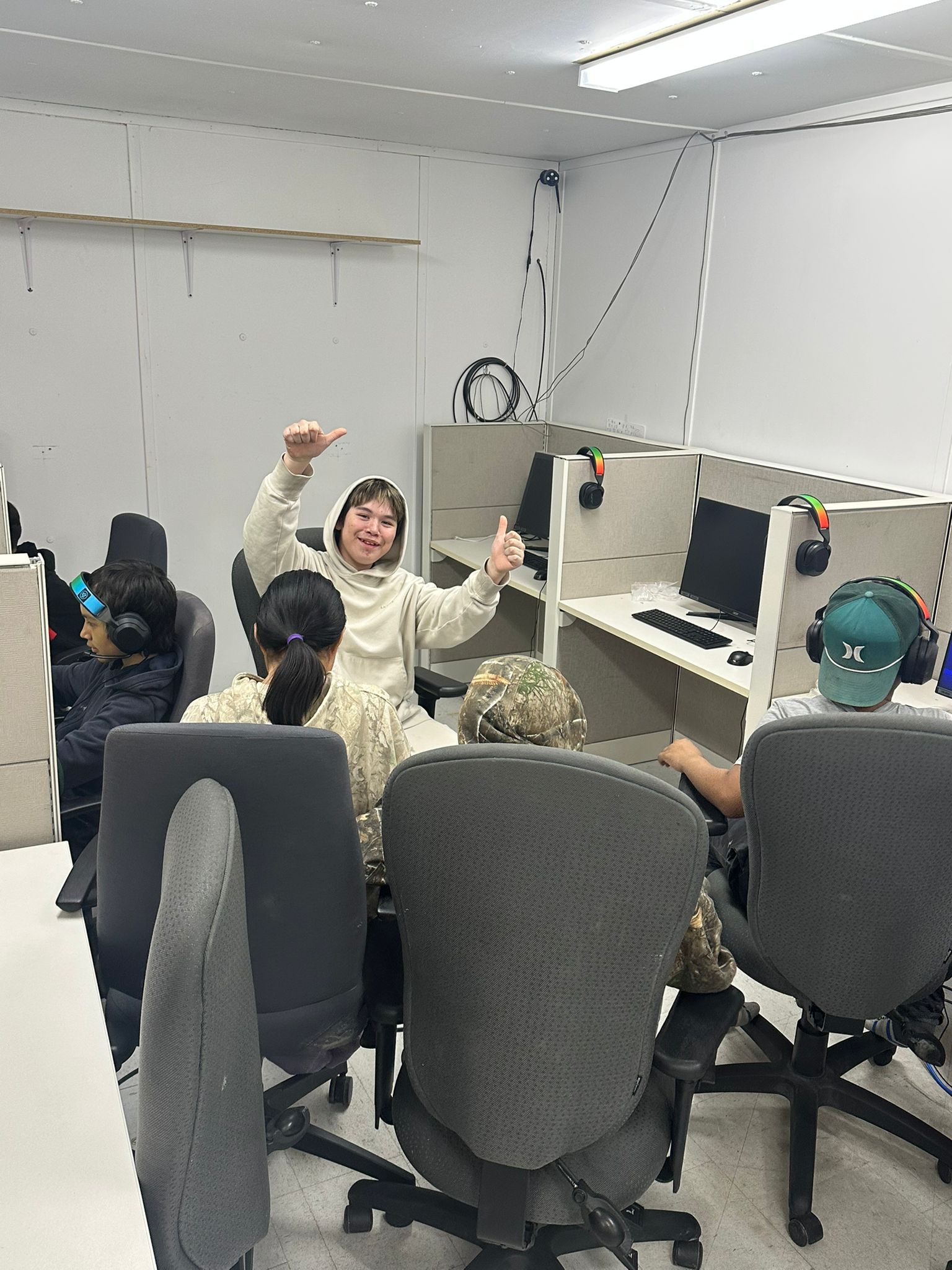
We want to say something directly about stigma because it is one of the biggest barriers between people and the help they need. In many communities, admitting to a mental health struggle or an addiction still carries shame. People stay silent. They hide what they are going through. They wait until things are catastrophic before reaching out, if they reach out at all.
We are working to change that, and we need the community’s help to do it.
These programs are designed to be accessible across the territory, and we work hard to make sure young people in smaller and more remote communities have the same access as those in larger centres.
We want to be honest about something that often gets glossed over. Recovery is not a straight line. There are setbacks. There are days that feel like starting over. There are moments when the progress someone has made feels invisible to them even when everyone around them can see it clearly.
We do not abandon people when they struggle. We do not treat a setback as a failure of the program or a reason to start over from zero. We hold the long view, we stay consistent, and we keep showing up. Because that consistency is often exactly what makes the difference over time.
If you are reading this and wondering whether what you are going through qualifies as serious enough to ask for help, the answer is yes. You do not need to justify your pain or explain why you deserve support. You deserve it because you are a person, full stop.
We’ve gathered answers to the questions we hear most, making it easy for you to learn about our work, values, and the impact.
Copyright © 2026 Ubluriak Society. All rights reserved.