
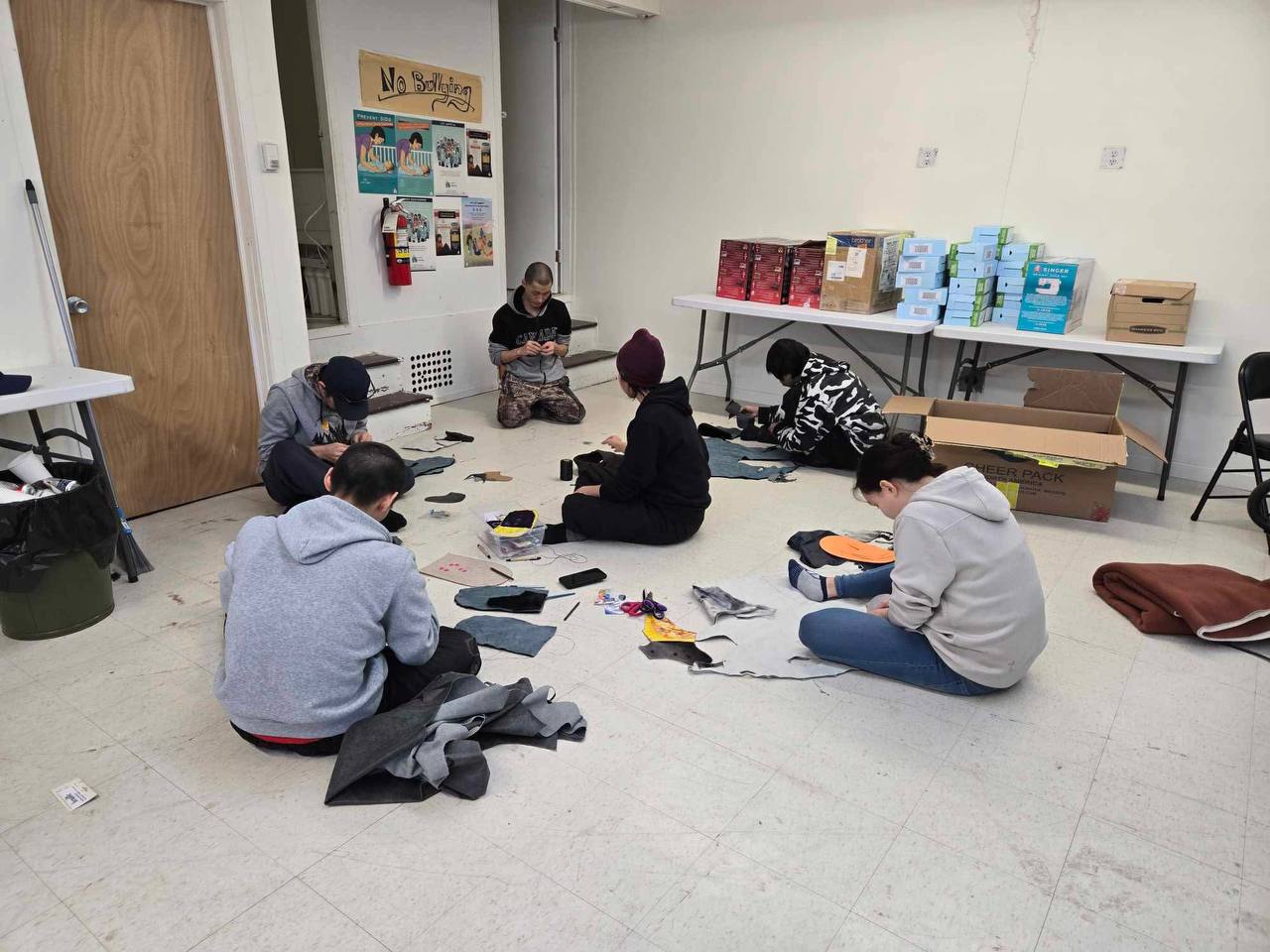
Life doesn’t always go the way we plan. There are moments when things pile up, when a situation becomes too heavy to carry alone, or when a crisis arrives without warning and everything suddenly feels uncertain. When that happens, you shouldn’t have to figure out what comes next by yourself. We are here, and we mean that in the most practical sense possible.
Community support isn’t just a service category. It’s a commitment to being present for people during the hardest stretches of their lives. We believe that no one should fall through the cracks simply because they didn’t know where to turn or didn’t have someone to advocate for them. Every person who comes to us deserves to be heard, taken seriously, and connected to whatever they need to start moving forward.
We don’t make people prove they deserve help. We don’t require someone to be at their absolute worst before we step in. And we don’t disappear once the immediate crisis has passed. We stay involved for as long as it’s useful, and we step back only when the person we’re supporting feels ready for that.
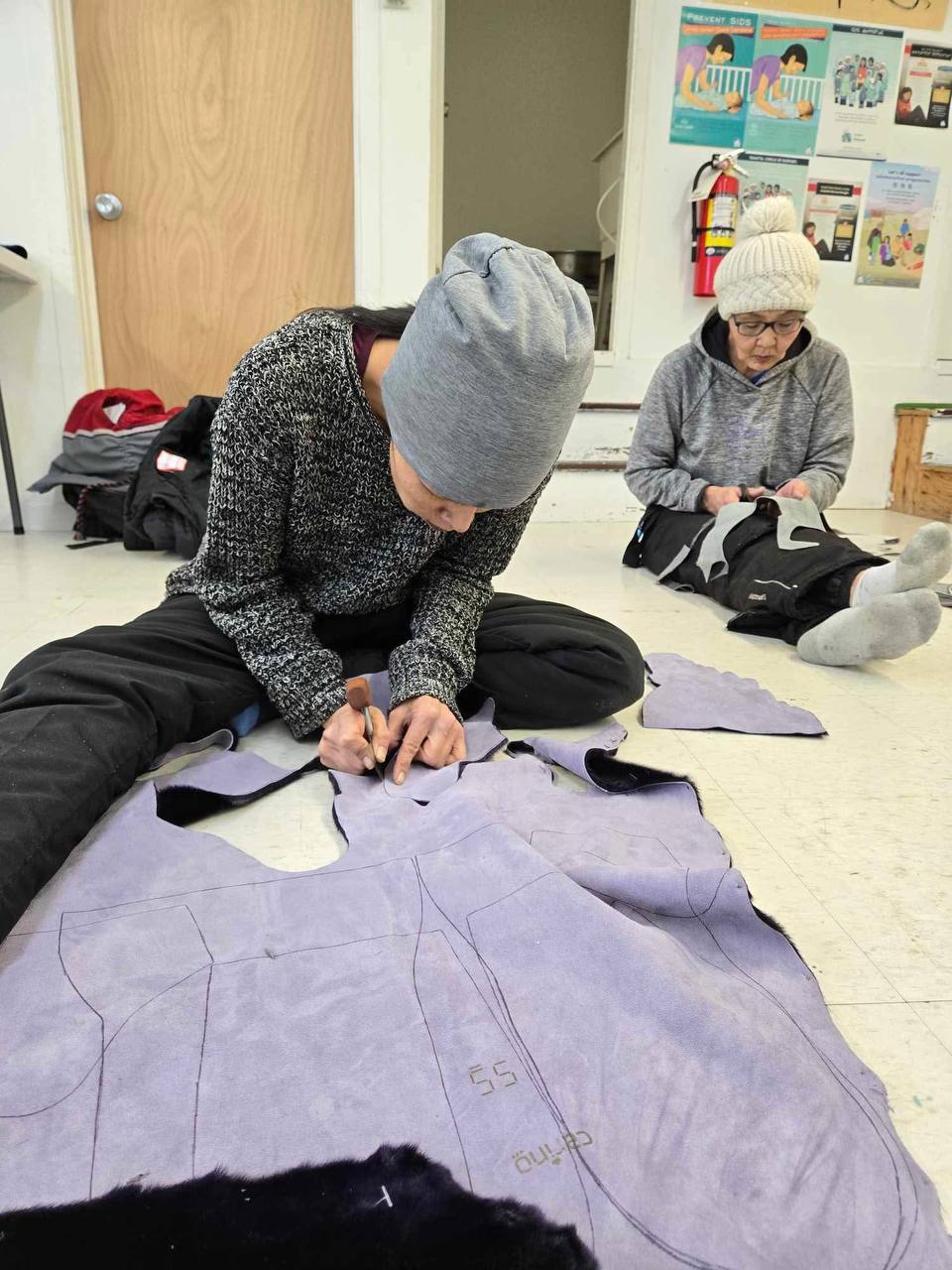
A crisis can take many forms. It might be a mental health emergency, a sudden breakdown in housing or safety, a relationship that has become dangerous, or simply a moment where someone has reached their limit and doesn’t know what to do next. Whatever form it takes, our response is the same: we show up, we listen, and we help the person in front of us take the next step.
Our crisis support is built around staying calm, staying present, and making sure people feel safe enough to accept help.
Sometimes people don’t need a referral or a resource list. They need someone to sit with them, listen without rushing to fix things, and help them process what they’re going through. Counseling and emotional support are a core part of what we offer, not as a last resort but as an accessible, ongoing option for anyone who needs it.
What our leadership programming includes:
We are not here to tell people how to feel or how quickly to move through something hard. We follow the person’s pace and stay alongside them for as long as that support is meaningful.
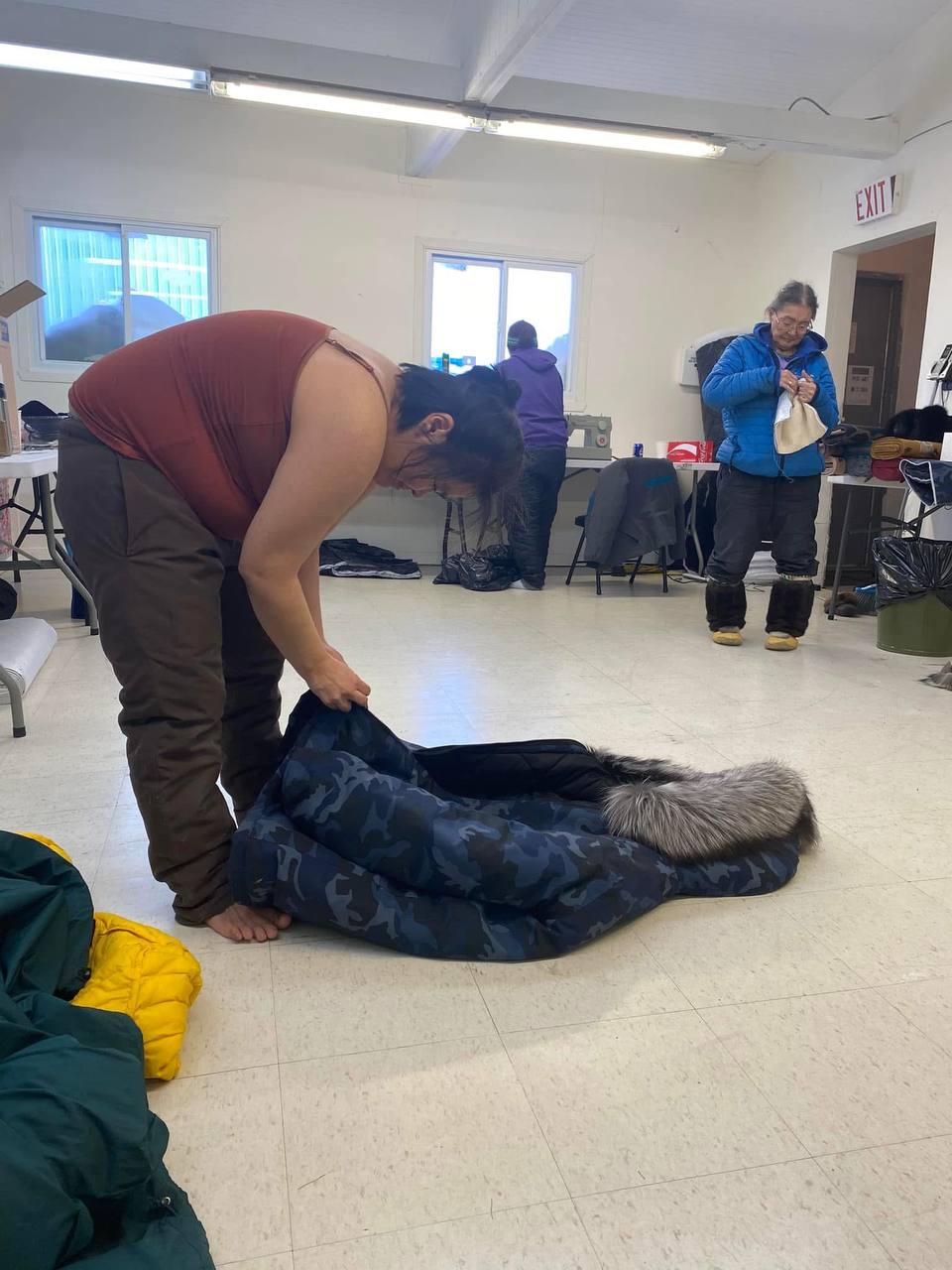
Families carry a lot. The pressures of daily life, financial stress, relationship strain, parenting challenges, and the echoes of intergenerational trauma can make it genuinely difficult to keep things together. We don’t judge families for struggling. We try to understand what’s actually happening and offer support that makes a real difference.
Our family support programs are designed to strengthen families from the inside out rather than stepping in and taking over.
We work to keep families together wherever it is safe and appropriate to do so, and we advocate strongly for family preservation as a core value of our approach.
Not every person who comes to us is in a family unit, and not every challenge is shared with others at home. Many individuals across Nunavut are navigating difficult circumstances largely on their own. Isolation, barriers to employment, mental health struggles, addiction, housing instability, and grief are just a few of the things people manage quietly every day.
Our individual support programs create a consistent, reliable relationship for people who need one.
Advocacy is a skill and a right. We help young people understand that their perspective matters, that they are allowed to take up space in public conversations, and that change is something they can actually be a part of.
Knowing that support exists and actually being able to access it are two very different things. Programs and services can be hard to find, confusing to apply for, and easy to fall out of when life gets complicated. We help people cut through that confusion and connect with what they need.
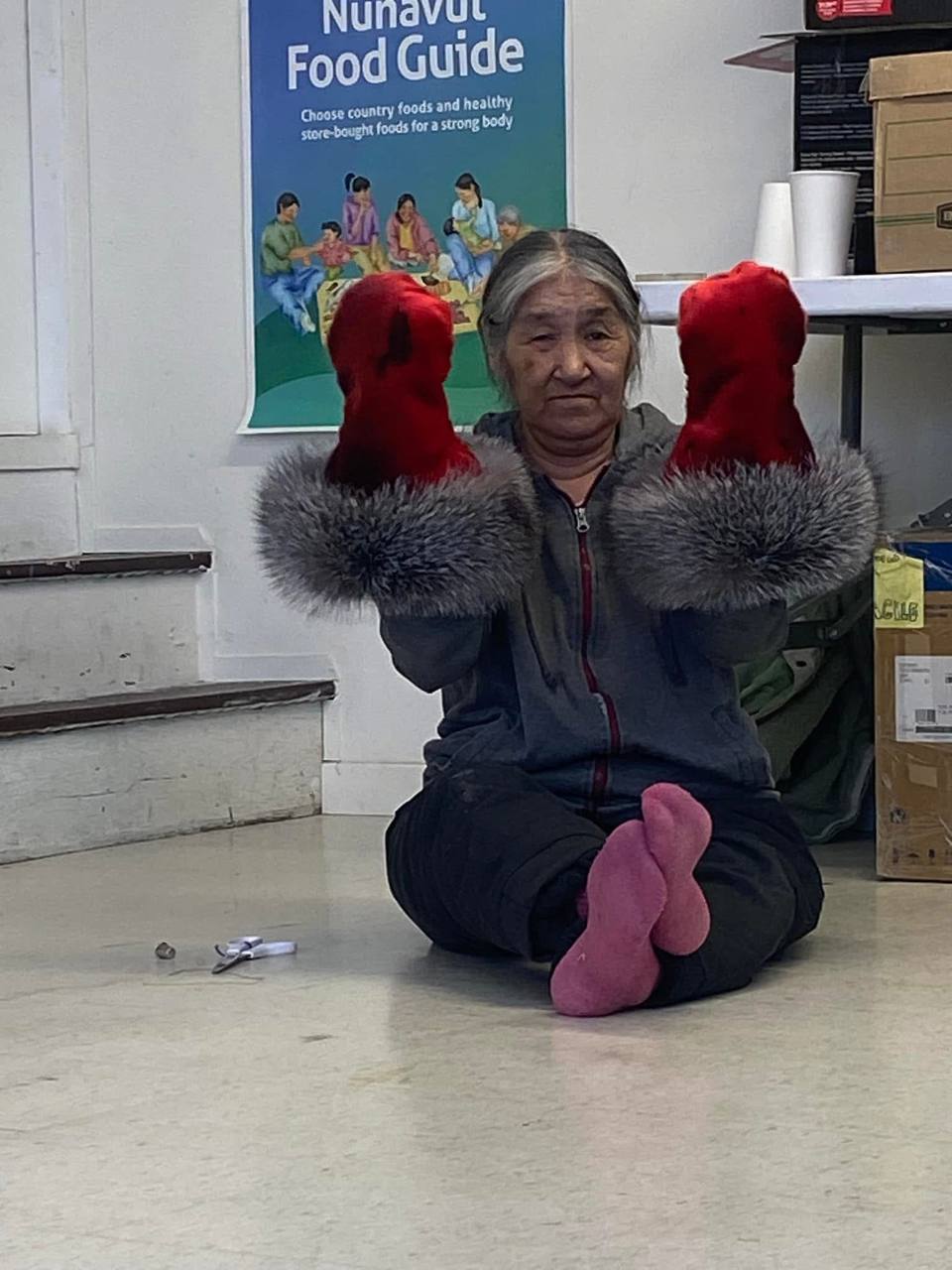
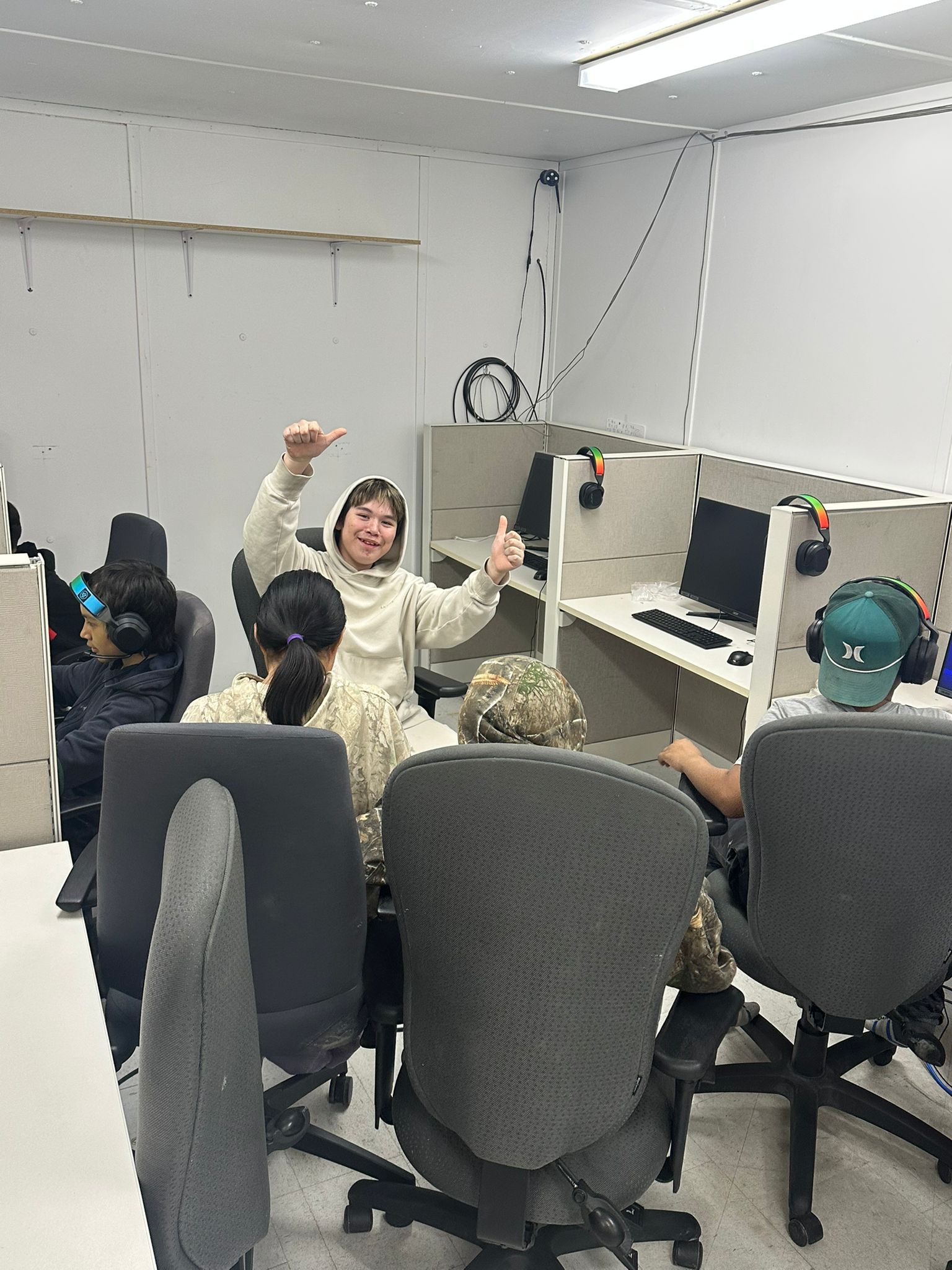
We want to be honest about something. Support work can easily become paternalistic if the people doing it aren’t careful. It can slip into making decisions for people rather than with them, into treating vulnerability as incompetence, or into prioritizing process over the actual human being in the room.
We work hard to avoid all of that.
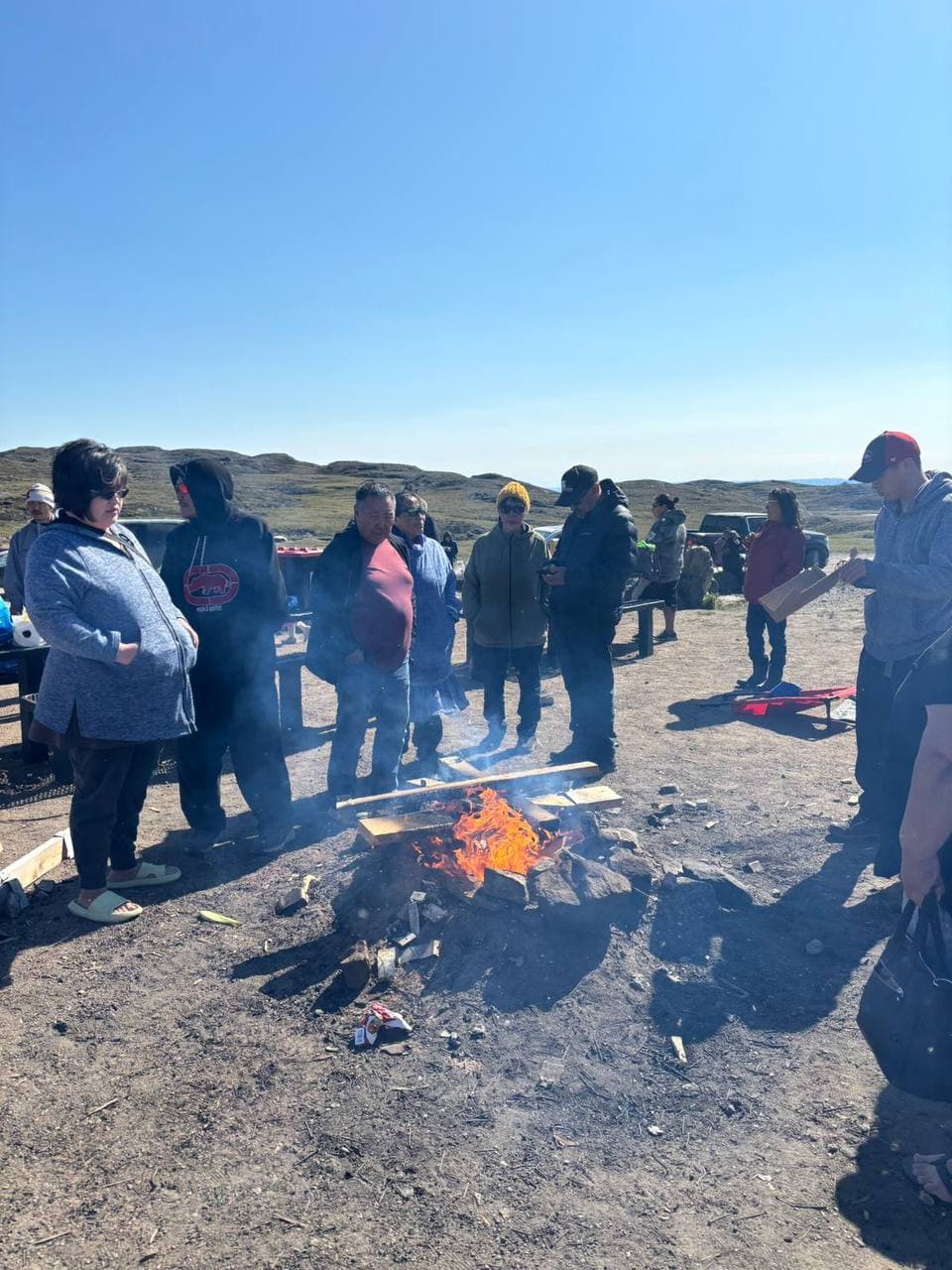
We want to say this clearly because a lot of people wait too long before asking for help. You do not have to be at your lowest point to deserve support. You do not have to have tried everything else first. You do not have to frame your situation in a particular way or know exactly what you need before you pick up the phone or walk through our door.
Reaching out when things are hard but not yet impossible is not weakness. It is exactly the kind of early action that makes a real difference. We would rather hear from you before the situation becomes a crisis than only after it already has.
If you or someone you know is going through something difficult, please reach out. We will listen, we will take you seriously, and we will do everything in our power to connect you with the support that fits your situation. No hoops to jump through. No judgment. Just people who care, ready to help.
We’ve gathered answers to the questions we hear most, making it easy for you to learn about our work, values, and the impact.
Copyright © 2026 Ubluriak Society. All rights reserved.